

Living in a new country
sometimes means feeling caught between two cultures.
sometimes means questioning where you truly belong.
at times it is anxiety and loneliness, at times hope and courage.
it is learning to translate your feelings into a new language.
and sometimes, throughout this whole journey,
it is rediscovering who you are. 🌿.
Every migration story carries both a farewell and a beginning within it.
Even when we maintain a connection to our past life, we inevitably experience the loss of familiar pieces of it.
Moving to a new country means relocating not only your home, but your entire life. With migration comes the process of adapting to a new country, a new culture, a new language, and a new social order. This period often carries a sense of excitement intertwined with uncertainty.
Learning a foreign language is not only about words — it’s about learning to express yourself all over again. Adjusting to a new environment means forming relationships with people from different cultures, and reorganizing your work or school life according to new societal rules.
From residence permits to legal status, many bureaucratic processes can create feelings of uncertainty and loss of control.
Along the way, feelings of homesickness, guilt about those left behind, withdrawal caused by loneliness, or anxiety about the future may arise. All of these emotions are, in fact, part of the human side of migration. Over time, they may manifest as difficulties in adaptation.
Yet this process is also a time when one rediscovers oneself — recognizing inner strength and courage. Migration is as challenging as it is transformative. Sometimes, simply being heard, seen, and understood can ease the weight we carry. That is exactly where therapy comes in — helping individuals make sense of their experiences, regulate their emotions, and better cope with the challenges of adaptation.
About the Therapy Process
🌿 The Psychological Support Project for Migrants was created to support the mental health of migrants who have lived abroad for at least six months and to help them cope with the feelings of loneliness, anxiety, and stress that may arise during the adaptation process.
🌿 This project is a scientific study designed to support the adjustment and mental well-being of Turkish migrants aged 18 and above living abroad.
🌿 As part of the project, participants will attend eight weekly EMDR (Eye Movement Desensitization and Reprocessing) sessions, each lasting approximately 45 minutes.
🌿 All sessions will be conducted online via Zoom.
🌿 The participation fee is symbolic (30 Euro / 1,500 TL), and the number of participants is limited.
🌿 As part of the study, you will be asked to complete short psychological assessment forms at the beginning, end, and one month after the therapy process.
These forms are essential for evaluating your progress and for the scientific assessment of the program’s effectiveness.
Therapists
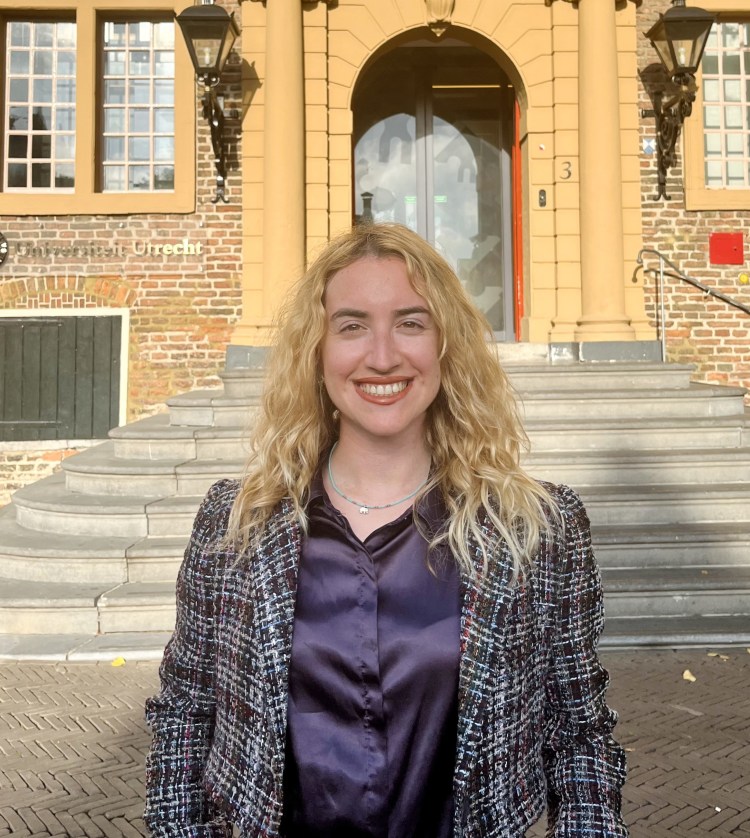
Clinical Psychologist Derin Kubilay is an EMDR Europe Accredited Therapist (a European-level certified specialist qualified to practice EMDR — a scientifically proven and effective method for treating psychological difficulties related to trauma, anxiety, and stress). She is currently a PhD candidate in Clinical Psychology at Utrecht University in the Netherlands. Her doctoral research focuses on the adaptation challenges faced by migrants living in the Netherlands and aims to develop a culturally sensitive EMDR therapy protocol tailored to these experiences. As a therapist, she has worked for years with migrants, earthquake survivors, international clients, and other vulnerable groups, providing trauma-focused psychological support. As a researcher, she has presented at international conferences, authored and edited book chapters, and published articles in international peer-reviewed journals. In addition, she has volunteered to provide psychological support during acute trauma and disaster situations.

Clinical Psychologist Beril Eser Odabaşı is a specialist working in the fields of Cognitive Behavioral Therapy (CBT) and EMDR, while also integrating the importance of body-oriented approaches into her clinical practice. As a trauma-informed yoga practitioner, she adopts a holistic therapeutic perspective that strengthens the connection between mind and body. She has many years of clinical experience in treating a wide range of psychological difficulties, including depression, anxiety, eating disorders, and trauma. By working in both inpatient and outpatient settings, she has developed a comprehensive understanding of different levels of clinical need. In addition, she works closely with migrants who experience psychological challenges during the adaptation process and supports them in adjusting to new living conditions through a culturally sensitive therapeutic approach. In her therapeutic practice, she combines evidence-based methods with body awareness and compassion-focused approaches, aiming to guide her clients through their inner healing process with balance and empathy.
 Derin Kubilay