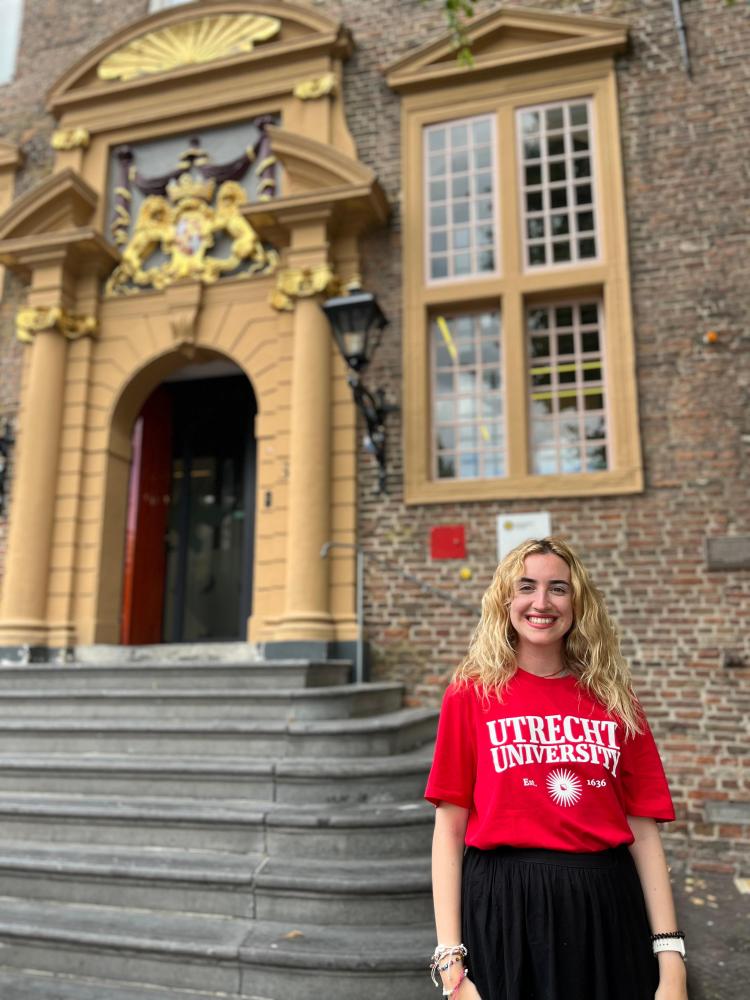
Doctoral Journey of a Therapist
Psychology is a living science—constantly renewing itself, expanding with research, and reshaping our understanding of the human mind. The methods we use are not fixed; they evolve through experimental studies and gain fresh perspectives from newly published findings. Our profession is like studying in a school with no graduation date: we learn from theory, carry it into practice, and bring it alive in the therapy room.
In this way, when I sit beside my clients, the process is guided by the most up-to-date knowledge. For many years, as the General Coordinator of the Academy of Therapeutic Sciences, I have led research exploring the effects of EMDR on different psychological disorders. We conducted experimental studies, and our findings have been published in international journals. Now, this journey has brought me to Utrecht University—ranked among the top 30 universities worldwide in psychology—where I continue my doctoral studies, deepening my work at the intersection of therapy and research.
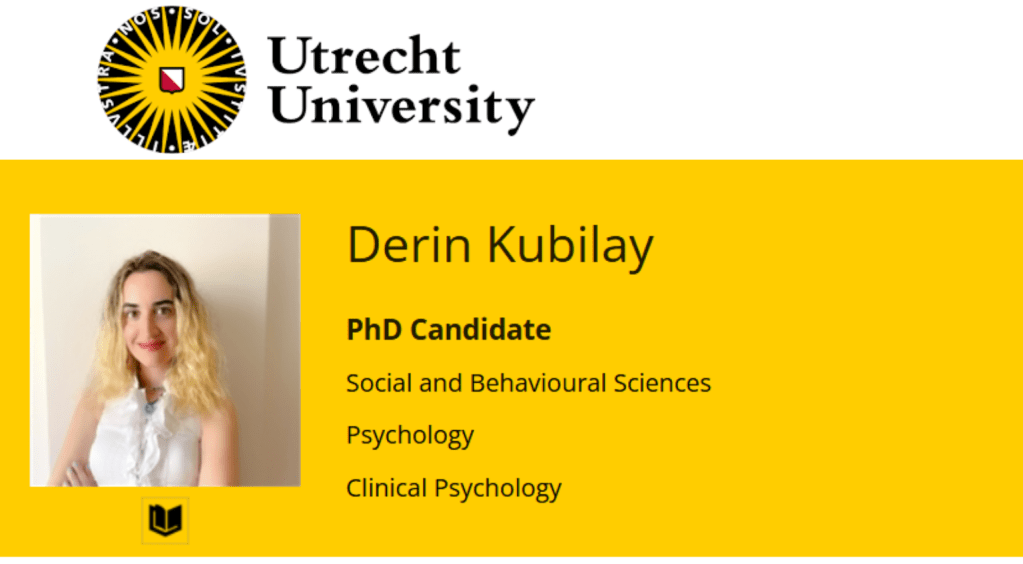
My doctoral work focuses on the mental health of migrants living in the Netherlands. When we move to a new country, we encounter cultural differences—large and small—that shape how we adapt. How do these differences affect our sense of belonging? And what happens when adaptation is difficult, or when we cannot feel truly at home in a new culture? We may experience anxiety, fall into depression, or struggle with daily life. Sometimes, not learning the language, feeling unable to build social connections, or failing to integrate into work life can themselves become small but painful traumas.
Another question is: do all migrants respond in the same way? How do ethnic background, cultural atmosphere, and social norms influence our psychological responses? These questions highlight why a “one-size-fits-all” model of therapy is not enough. Instead, approaches that respect a person’s culture, language, and values—and adapt to them—can strengthen the bond between therapist and client, fostering a deeper commitment to the therapeutic process.
For more than 35 years, EMDR has been shown to be effective in treating many psychological difficulties. My research focuses on adapting EMDR to different cultural contexts. When therapy is conducted with the client’s own language, metaphors, values, and cultural experiences, the feeling of being truly understood grows stronger, and the therapeutic relationship deepens. Culture is a mosaic, with each piece unique and radiant. The sessions I share with clients from diverse backgrounds are like pieces of this mosaic—each contributing its own color and meaning. Through my doctoral research, I hope to strengthen this process scientifically, and to show how small steps in therapy can unfold into profound change.

 Derin Kubilay